Gothic Revival & National Emblems

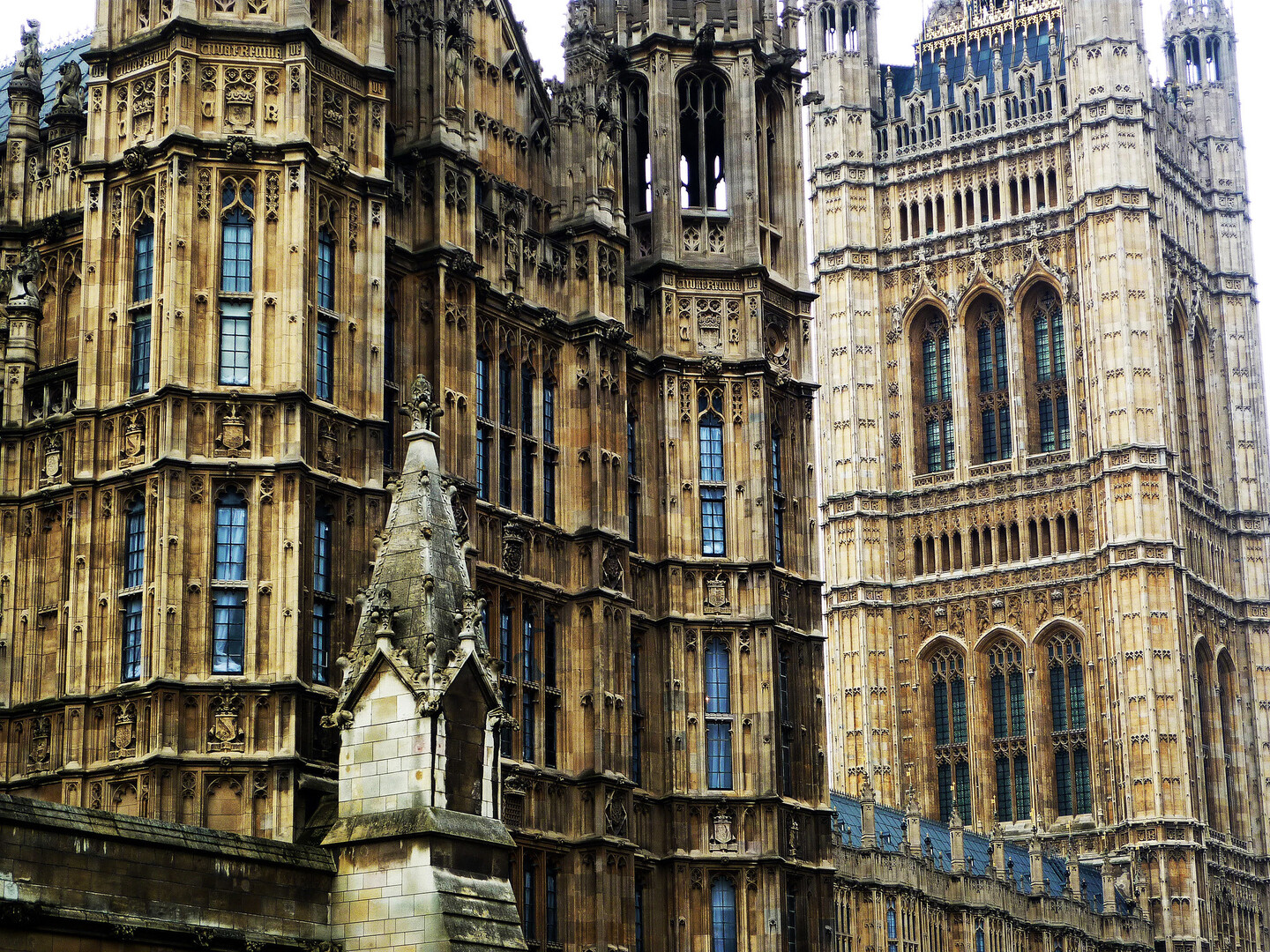
Admire Augustus Pugin’s intricate Gothic Revival design featuring 52 shields with national emblems of England, Scotland, Wales, and Northern Ireland, plus historical symbols representing Britain’s rich heritage—carved into the tower Sir Charles Barry’s masterplan made famous.

Style Shields (feature) Palace context
Gothic Revival 52 (noted) UNESCO site
Big Ben Gothic stonework and national emblems

Vertical drama above the Thames

The Elizabeth Tower was conceived as part of the mid-19th-century rebuilding of the Palace of Westminster after the 1834 fire. Gothic Revival gave Parliament a visual language rooted in medieval precedent—yet built with Victorian engineering and materials.

Pugin’s detailing supplies richness at every scale: crockets and pinnacles draw the eye upward; shields and heraldic carving assert the union of nations; tracery and mouldings catch rain-washed London light. Conservation projects have cleaned and repaired stonework so those textures read clearly again.

Whether you study the tower from Parliament Square or zoom in on photographs, the architecture tells a story of identity, craft, and civic pride—pairing perfectly with the clock and bell that made the silhouette world-famous.

Explore other highlights
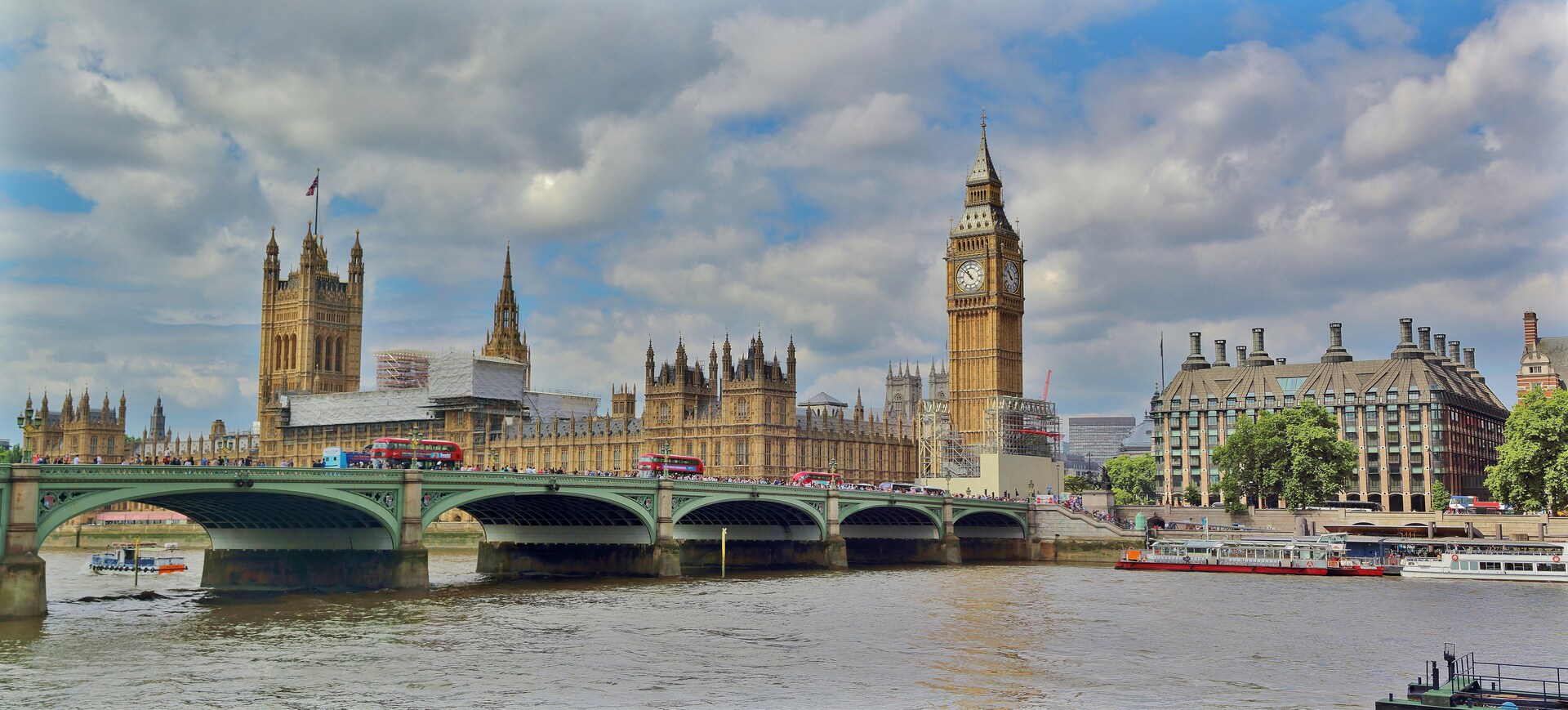
View of Big Ben from Westminster Bridge

Architectural highlights

Heraldic program

Shields and emblems celebrate the nations of the UK and layers of history—read as stone propaganda for parliamentary democracy in Victorian dress.

Gothic vocabulary

Pointed arches, finials, and clustered forms echo cathedrals while serving a secular legislature—signature Pugin.

Material & weathering

Anston limestone and careful maintenance define how crisp the carving looks through seasons of London rain and sun.

Palace ensemble

The tower anchors the wider Barry–Pugin composition—best appreciated by walking the perimeter and comparing spires and rooflines.

Details & visitor notes

Barry & Pugin

Charles Barry’s winning plan set the massing; Pugin shaped much of the decorative Gothic character—including elements you see on the tower.

UNESCO setting

The tower stands within the Palace of Westminster World Heritage Site—appreciate it alongside Westminster Abbey and the wider riverscape.

Photography tips

Side light reveals carving depth; blue hour balances floodlighting on the tower with the sky.

Tours

Exterior interpretation pairs well with interior tower or Palace tours—book ahead for the full vertical story.

Book a guided tour